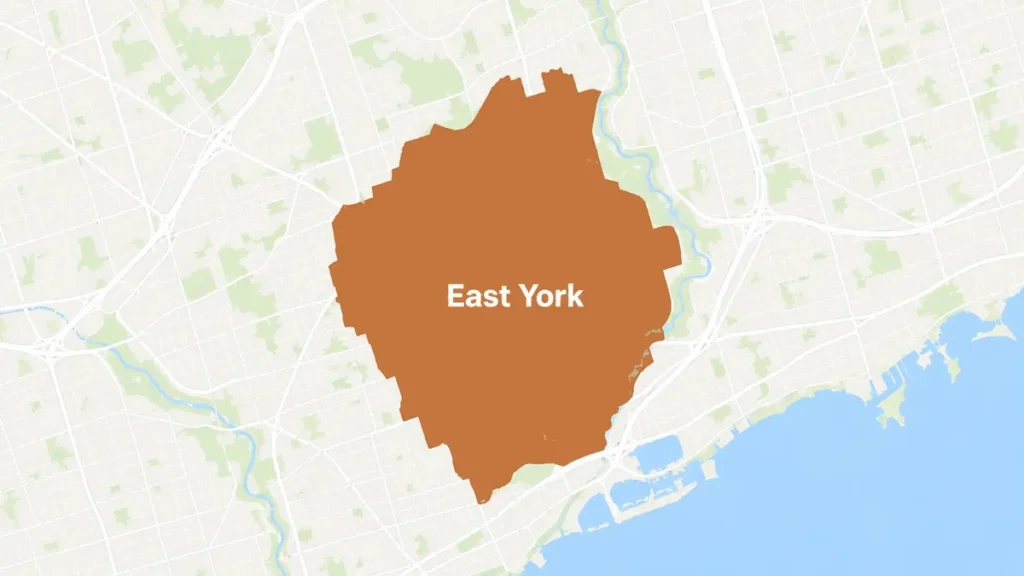
The junction nobody warns East York owners about
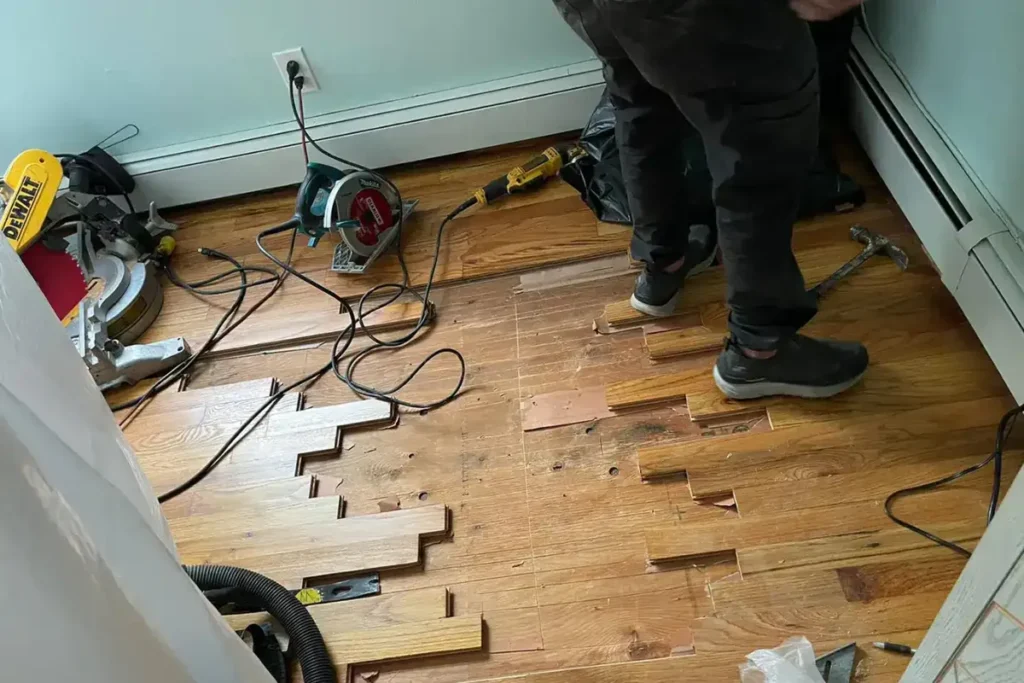
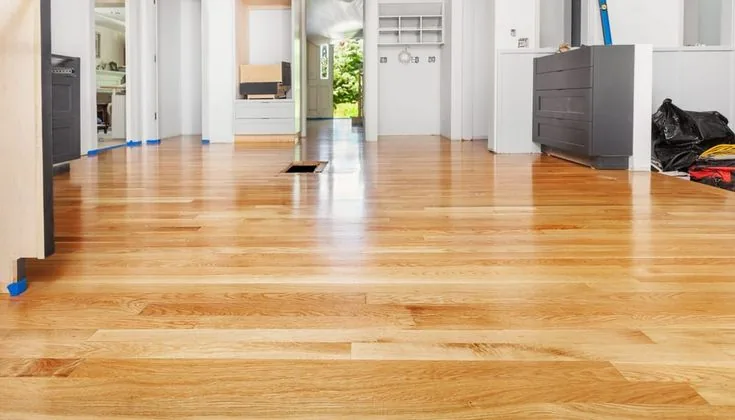
East York’s current story is written in its rooflines: many single-storey bungalows have added second floors, and shops along the main streets have been converted to something more upscale. That is a flooring problem nobody warns you about. A floor built in the late 1940s and a floor built in the last fifteen years have different subfloor thicknesses, different joist depths and completely different moisture histories, and they meet at a line somewhere in the middle of the house. Running one continuous floor across that line means resolving a height difference, a flatness difference and sometimes a deflection difference first. We measure both halves as separate structures, then tell you whether the answer is a levelling compound, a plywood shim layer, or an honest transition strip where the two eras meet.